

In recent years, influencer marketing has emerged as one of the most potent strategies for businesses to engage with consumers and drive brand awareness. With the rise of social media platforms like Instagram, YouTube, TikTok, and others, influencers—individuals with substantial online followings—have become powerful voices in shaping consumer behavior. This article explores what influencer marketing is, why it’s effective, how to plan successful campaigns, and the potential challenges brands face in this rapidly growing space.
What is influencer marketing?
Influencer marketing involves collaborating with influential people (influencers) who have a significant online presence to promote a product, service, or brand. Influencers typically have a niche following, ranging from a few thousand to millions of engaged followers, which gives them the ability to influence purchasing decisions and build brand credibility.
Rather than relying solely on traditional advertising, which can be perceived as interruptive or disingenuous, influencer marketing taps into the trust and relationships that influencers have built with their followers. By leveraging this trust, brands can more effectively reach their target audience and drive both engagement and sales.
The Power of Influence
The power of influencer marketing is rooted in the influence these individuals hold over their followers. According to a study by Influencer Marketing Hub, 63% of brands plan to increase their influencer marketing budget in 2023, highlighting the growing importance of this strategy.
- Trust and Authenticity: Influencers often have strong personal brands built on authenticity and relatability. Their followers view them as experts or trusted individuals, making it easier for brands to tap into a pre-existing trust.
- Targeted Audience Reach: Influencers typically focus on specific niches, whether that’s fitness, fashion, technology, or beauty. This enables brands to reach highly targeted audiences who are more likely to convert into customers.
- Engagement: Unlike traditional forms of advertising, influencer content often generates more engagement. Followers are more likely to interact with content created by influencers than ads, leading to higher rates of likes, comments, and shares.
Types of Influencers
Not all influencers are created equal. They vary based on the number of followers, the type of content they create, and their level of influence. Understanding these categories can help brands decide which influencers to collaborate with.
- Nano-Influencers (1K to 10K followers): These influencers typically have a small but highly engaged and loyal following. They often boast the highest engagement rates and are considered the most authentic. Working with nano-influencers can be cost-effective, especially for smaller brands or those just starting out with influencer marketing.
- Micro-Influencers (10K to 100K followers): Micro-influencers have a larger following than nano-influencers but still maintain a personal connection with their audience. They are considered experts within their niche, which makes them ideal for brands looking to build trust and create targeted campaigns.
- Macro-Influencers (100K to 1M followers): These influencers have a broader reach and are often well-known within their industries or outside of them. While they can provide significant visibility, their engagement rates may be lower than micro or nano-influencers due to the sheer size of their audience.
- Mega-Influencers (1M+ followers): Mega-influencers are typically celebrities or high-profile individuals with millions of followers. While their reach is enormous, working with them can be expensive and may not always result in a highly targeted audience. Brands must weigh the benefits of massive exposure against the cost and potential lack of engagement.
Crafting an Influencer Marketing Strategy
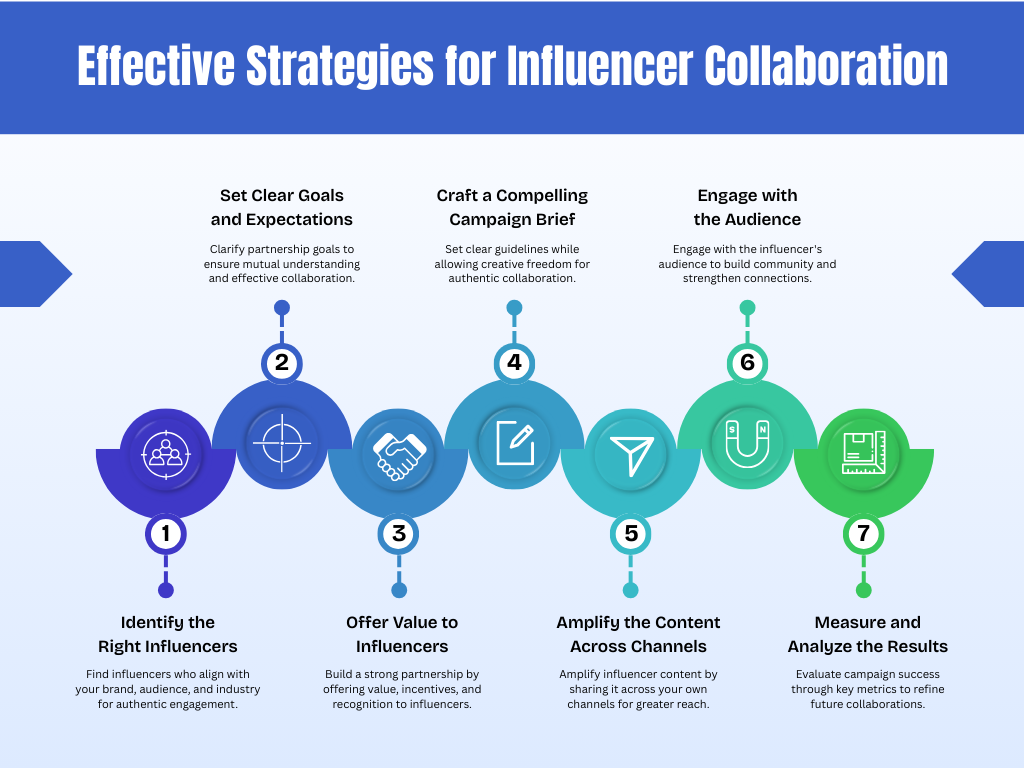
Successfully executing an influencer marketing campaign requires careful planning and consideration. Here are some essential steps to creating a successful strategy:
1. Define Campaign Goals
Before choosing influencers or developing content, brands must define their campaign objectives. What are they hoping to achieve with influencer marketing? Common goals include:
- Brand Awareness: Increasing visibility among a wider audience.
- Lead Generation: Capturing potential customers’ information.
- Sales: Driving direct conversions and purchases.
- Content Creation: Leveraging influencer creativity to generate content for use across other platforms.
2. Identify the Right Influencers
Choosing the right influencers is the cornerstone of a successful campaign. Brands should ensure the influencer’s audience aligns with their target market, values, and tone. For example, a skincare brand might work with beauty influencers who frequently discuss skincare routines, while a tech company may collaborate with gadget reviewers who specialize in new technology.
It’s also crucial to consider the influencer’s level of engagement and authenticity. Sometimes, an influencer with fewer followers but higher engagement rates can be more beneficial than one with a large but passive audience.
3. Establish Clear Expectations
To avoid misunderstandings, it’s essential to define clear expectations upfront. This includes:
- The type of content to be created (posts, videos, blogs, etc.).
- The messaging and brand guidelines.
- Posting frequency and timelines.
- The compensation structure (cash, free products, affiliate links, etc.).
A detailed contract can ensure that both parties are aligned on the terms of the collaboration.
4. Create Engaging Content
Influencers should be encouraged to create content that feels natural and authentic, as audiences can easily detect overly promotional or scripted content. Allowing influencers creative freedom while adhering to brand guidelines is key to maintaining trust.
Brands can collaborate with influencers on content ideas and give them room to express their personal style. Whether it’s a product review, tutorial, or unboxing video, content should resonate with the influencer’s audience while showcasing the product in a positive light.
5. Measure Performance
To evaluate the success of an influencer marketing campaign, brands must track key performance indicators (KPIs) such as:
- Engagement rates: Likes, shares, comments, and overall interaction with the content.
- Referral traffic: Website visits or specific landing pages accessed from influencer links.
- Sales and conversions: How many purchases were made due to the influencer’s promotion.
- Brand sentiment: Public perception and sentiment analysis around the campaign and the influencer’s endorsement.
Tools like Google Analytics, Instagram Insights, and third-party influencer marketing platforms can help track these metrics effectively.
Challenges of Influencer Marketing
While influencer marketing can be highly effective, it does come with its challenges:
- Fake Followers and Engagement: The rise of bots and fake accounts has made it difficult to determine the authenticity of an influencer’s following. Brands need to be diligent in vetting influencers and checking metrics like engagement rates, audience demographics, and the authenticity of their followers.
- Influencer Misalignment: If an influencer’s personal brand or actions contradict a company’s values, it can damage the brand’s reputation. For example, if an influencer endorses a product but later gets involved in a controversy, it can affect the brand’s credibility.
- Measuring ROI: Determining the return on investment (ROI) for influencer marketing can be difficult, especially when measuring long-term brand awareness and intangible benefits.
- Regulatory Compliance: With influencer marketing gaining traction, regulatory bodies like the Federal Trade Commission (FTC) have set guidelines requiring influencers to disclose paid partnerships. Non-compliance can result in legal repercussions for both the influencer and the brand.
Influencer marketing has revolutionized how businesses connect with their audiences. It offers a more organic and authentic way to promote products and services while tapping into the power of social media personalities. However, successful influencer marketing requires careful planning, a clear strategy, and monitoring of results to ensure that campaigns achieve their objectives.
While influencer marketing can yield impressive results, it is not without its challenges. Brands must choose influencers carefully, maintain transparency with their audience, and focus on creating long-term relationships rather than one-off campaigns. As the digital landscape continues to evolve, influencer marketing will likely remain a key pillar of modern marketing strategies.
By carefully leveraging the power of influencers, brands can tap into new audiences, drive engagement, and ultimately achieve business success in the ever-competitive digital marketplace.