

A digital marketing strategy is essential for businesses that aim to thrive in the digital age. It’s a roadmap that helps you define your goals, understand your audience, and select the best channels to communicate your brand’s message. However, the true value of a strategy lies not only in its formulation but in the actions that follow. Once you have your strategy in place, it’s crucial to focus on the next steps to ensure that your efforts lead to measurable results.
Summary of a Digital Marketing Strategy
A digital marketing strategy is an overarching plan that guides your online marketing efforts. It includes the tactics and goals designed to grow your business through digital channels. The components of a digital marketing strategy typically include:
- Defining Your Objectives
- Understanding Your Target Audience
- Choosing the Right Digital Marketing Channels
- Content Creation and Strategy
- Tracking and Measuring Success
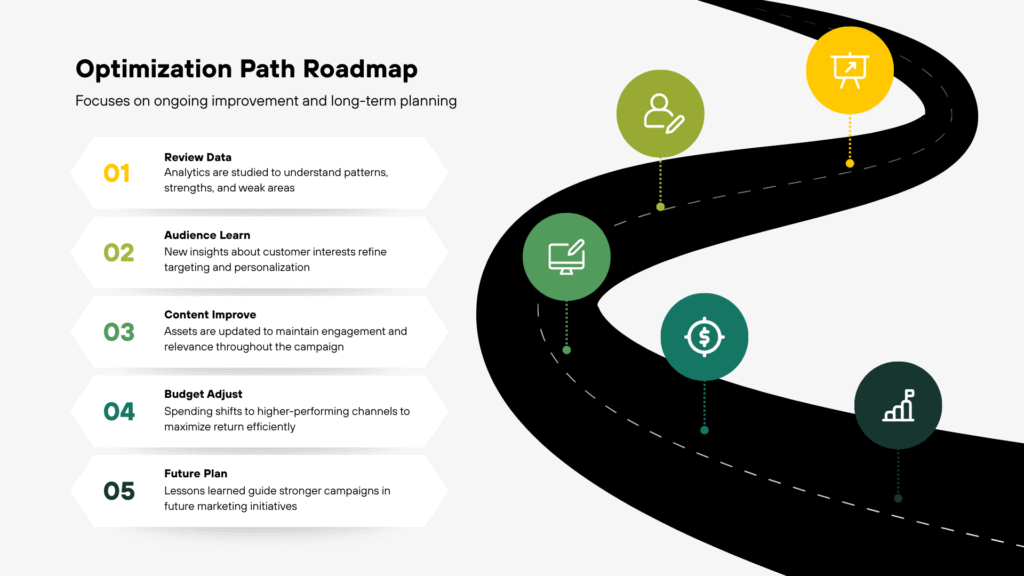
- Adjusting and Optimizing
Next Steps to Execute Your Digital Marketing Strategy
Now that you’ve outlined your strategy, the next steps involve implementation and execution. Here’s how to move forward:
1. Set Up a Detailed Action Plan
Create a step-by-step action plan that outlines specific tasks, assigns responsibilities, and sets deadlines.
2. Budget Allocation
Set a clear budget for your strategy’s execution, ensuring you invest wisely in high-ROI channels.
3. Content Calendar and Scheduling
Develop a content calendar to schedule regular posts and campaigns.
4. Develop Your Marketing Collateral
Create the necessary marketing assets such as banners, landing pages, and email templates.
5. Launch Your Campaigns
Go live with your campaigns, ensuring all assets are ready and your channels are optimized for performance.
6. Monitor and Adjust in Real-Time
Track campaign performance in real-time, making adjustments as needed for optimal results.
7. Engage with Your Audience
Actively engage with your audience by responding to comments, messages, and feedback.
8. Regularly Review and Optimize
Conduct regular reviews of campaign results, and optimize strategies based on insights.
Contact Us
Ready to Crush Your Growth Goals?
Let’s create a custom AI-driven marketing strategy that amplifies your leads, strengthens your brand, and powers your next stage of growth.